Modern Distress: A Typeface with Authentic Grit
In a digital landscape saturated with clean, minimalist vectors, there's a growing hunger for authenticity, texture, and a sense of history. This is where Modern Distress enters the conversation. It’s not just a font; it’s a statement piece, a premium font that carries the weight of worn concrete, faded ink, and well-used machinery in its very letterforms. For designers, entrepreneurs, and creators seeking to inject a raw, powerful energy into their work, this display font offers an immediate solution.
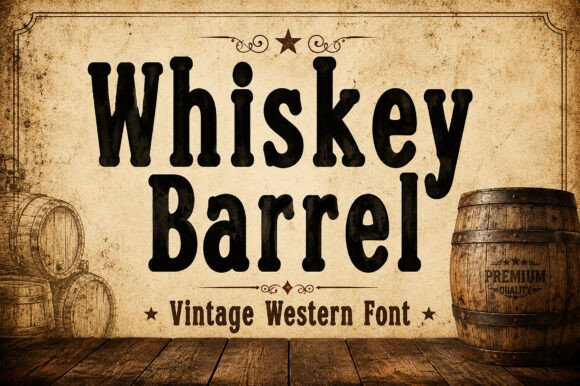
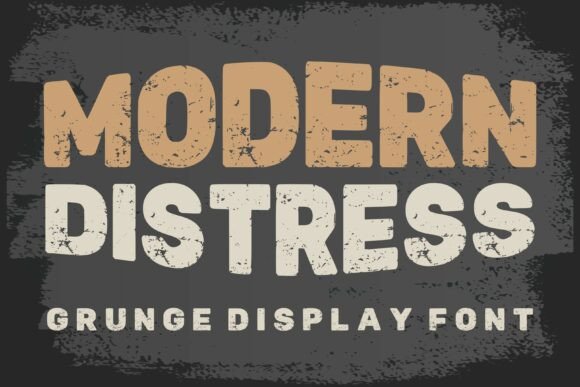
At its core, Modern Distress is a bold, rugged typeface built on a foundation of strong, impactful geometry. What sets it apart is its meticulous distressed texture. The edges are rough, imperfect, and deliberately weathered, evoking the feel of vintage screen-printing or aged signage. This isn't a generic grunge filter applied to an ordinary font; the distressing is integrated into the design, creating an authentic, tactile quality. Its personality is unapologetically bold, confident, and slightly rebellious, making it a standout creative font for projects that need to grab attention and hold it.
Where Grit Meets Purpose: Ideal Applications
The true value of a display font like Modern Distress is measured by its real-world utility. Its vintage, distressed character makes it a natural fit for specific creative domains where atmosphere and impact are paramount.
For brand identity and logo design, particularly for brands in the streetwear, craft beverage, artisan food, or music industries, Modern Distress provides instant character. A logo set in this typeface communicates durability, authenticity, and a hands-on ethos. It tells a story before a single word of copy is read, making it a powerful asset for brand identity development. Similarly, in packaging design, it can help a product stand out on a crowded shelf, suggesting a heritage or artisanal quality that resonates with consumers seeking something genuine.
The font’s strengths extend powerfully into print and digital media. Editorial design for magazine covers, especially those focused on music, culture, or outdoor adventures, can leverage its boldness for striking headlines. It’s a go-to for album covers, concert posters, and band merchandise, where the visual needs to match the energy of the content. In the digital realm, it excels in social media graphics, particularly for YouTube thumbnails, Instagram stories, and promotional banners where you have mere seconds to make an impression. Its textured, high-contrast forms cut through the noise of a fast-scrolling feed.
Beyond Aesthetics: The Strategic Impact of Texture
Choosing a font like Modern Distress is a strategic decision that influences more than just surface-level appearance. It directly affects how your audience perceives and interacts with your content.
Visual Hierarchy and Readability: As a display font, its primary role is for headlines, titles, and large-scale callouts. Using it for body text would compromise readability. The key is to pair it wisely. A clean sans serif font or a classic serif font for supporting text creates a compelling contrast, allowing the bold texture of Modern Distress to anchor the design without overwhelming it. This pairing is fundamental to establishing a clear visual hierarchy.
Brand Perception and Engagement: Typography is a silent ambassador for your brand. The rugged texture of Modern Distress can shape brand perception, suggesting qualities like resilience, craftsmanship, and a non-corporate attitude. For a small business owner or a content creator, using this font consistently can foster stronger audience engagement. It creates a recognizable visual signature that followers and customers begin to associate with your unique voice, contributing to long-term brand recognition.
A Practical Guide to Using This Bold Typeface
Integrating a strong character font into your workflow requires thoughtful consideration. Here’s how to approach it effectively.
First, always evaluate project fit. Is the goal to convey modern sleekness or vintage authenticity? Modern Distress is perfect for the latter. Review the project’s overall tone and audience. It will resonate deeply with a demographic that appreciates counter-culture, heritage, or DIY aesthetics. Next, test font pairings thoroughly. Experiment with a simple, geometric sans serif for a modern contrast, or a refined serif for a more classic, editorial feel. The goal is balance, not competition.
When you acquire this commercial font, take time to review included styles. Many premium fonts offer alternates, ligatures, or additional glyphs that can add further uniqueness to your designs. Crucially, consider licensing. Ensure the license covers your intended use, whether for a client’s logo design, merchandise for sale, or digital web design. A clear understanding of usage rights is a professional necessity.
Finally, conduct real-world readability testing. View your design at actual size, on different screens, and in print proofs. The distressed texture should enhance, not hinder, the legibility of your message. By following these practical steps, you can harness the full power of Modern Distress, turning its gritty character into a reliable tool in your design assets kit for creating memorable, impactful work.