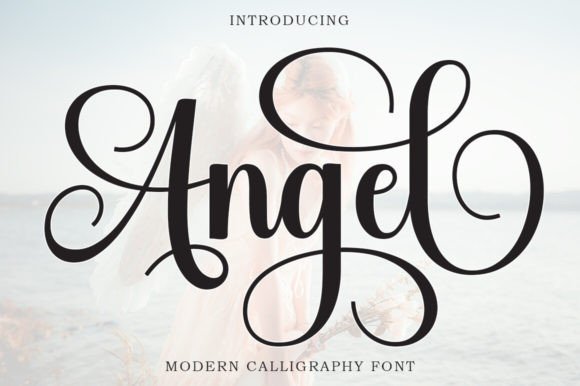
Angel: A Script Font That Feels Like a Handwritten Note
There’s something deeply personal about a handwritten message. In a world of crisp, digital text, a script that feels genuinely crafted by a human hand can make a design feel intimate and special. That’s the core appeal of Angel. This isn’t just another script font; it’s a typeface with a distinct personality—stylish, elegant, and full of warmth. Its flowing letterforms and subtle, organic variations mimic the beautiful imperfections of real handwriting, making it a powerful tool for designers and creators seeking to add an authentic, personal touch to their work.
At first glance, Angel presents a balanced blend of classic calligraphic influence and modern sensibility. The letter connections are fluid, creating a natural rhythm that guides the eye along the text. While it has a formal, sophisticated air, it avoids feeling stuffy or overly ornate. This versatility is its strength. It can feel luxurious on a wedding invitation, heartfelt on a thank you card, and confidently stylish on a logo. The visual character is one of refined grace, making it an excellent choice for projects where you want to convey care, quality, and a personal connection.
Where Angel Truly Shines: Practical Applications
Understanding a font's ideal use cases is key to using it effectively. Angel excels in scenarios where its elegant, handwritten qualities can be the focal point without being overwhelmed by dense information. Think of it as the star of the show in smaller, impactful doses.
In print and editorial design, it’s a natural fit for wedding stationery suites, from the main invitation to envelopes and menu cards. The font’s elegance sets a sophisticated tone for the event. It also works beautifully for book chapter headings, pull quotes in magazines, or the title on a poetry collection, adding a layer of artistry and human touch. For branding and logos, Angel can be a strategic choice for businesses in the beauty, wellness, boutique fashion, or artisanal food spaces. A logo set in this script font immediately communicates a brand identity rooted in craftsmanship, elegance, and personal service. It’s particularly effective for logos that will be used on packaging, business cards, and social media profiles where a memorable, personal mark is essential.
The digital space offers even more opportunities. Angel can elevate social media graphics by making quote cards, sale announcements, and Instagram story headers feel more curated and visually engaging. For web design, while not suited for body text, it’s a fantastic choice for hero section headlines, call-to-action buttons (like “Shop Now” or “Learn More”), or section headers, where it can draw attention and inject personality into a page. It’s also a standout in packaging design for product labels, hang tags, and thank you notes included with orders, reinforcing a premium, handcrafted brand perception.
Working with Angel: A Practical Guide for Designers
Choosing the right font is only half the battle; using it well is what separates good design from great. Here’s how to get the most out of Angel in your projects.
Evaluating Fit and Readability: Always start by asking: does this font’s personality match the project’s message? Angel is perfect for conveying elegance and personal touch, but it might not be the best fit for a tech startup’s primary branding or a legal document. For readability, remember that script fonts like this are best used for display purposes—headlines, logos, and short phrases. Never set paragraphs of body text in Angel; it will become difficult to read. Instead, pair it with a clean, neutral serif font or sans serif font for supporting text. This creates a strong visual hierarchy, where Angel commands attention for key information, and the paired font ensures clarity for longer passages.
Exploring Features and Pairings: One of the significant advantages of a premium font like Angel is its expanded character set. Being PUA encoded means you have easy access to a wealth of glyphs and ligatures. These are alternate letterforms and special connections that can add variety and a more authentic handwritten feel. Experiment with them to avoid repetitive letter shapes in words. When testing font pairings, look for contrast in structure. A geometric sans serif like Montserrat or a classic transitional serif like Baskerville can provide a stable, readable foundation that lets the script’s personality pop. Always test your pairings at the intended size and on the actual medium (screen vs. print) to ensure harmony.
Licensing and Professional Use: Before finalizing any project, especially for commercial work, always review the font’s licensing agreement. A properly licensed commercial font is a critical design asset. Confirm that your intended use—whether for a client’s logo, merchandise, or a published digital product—is covered. This professional diligence protects both you and your client, ensuring the brand identity you create is built on a solid, legal foundation. Investing in a quality typeface like Angel is an investment in the professionalism and longevity of your work.
In the end, Angel is more than just a collection of letters. It’s a design tool for adding soul to a project. Used thoughtfully, it can transform a simple layout into something that feels bespoke, engaging, and genuinely human. Whether you’re crafting a brand from scratch, designing a personal milestone invitation, or creating content that needs to stand out, this elegant script offers a timeless way to connect with your audience on a more personal level.