Flora: A Display Font for Designs That Need Personality
The Delicate and Bubbly Balance
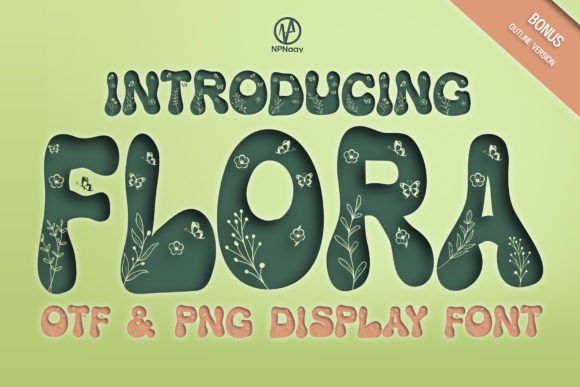
Some typefaces whisper, and some shout. Flora finds a different voice entirely—one that’s both airy and confident, delicate yet full of energy. It’s a display font built on contrast: the gentle curves of its letterforms carry a subtle bounce, giving headlines and logos a sense of movement without sacrificing elegance. If you’ve ever struggled to find a typeface that feels friendly without being childish, polished without being cold, Flora might be the missing piece in your design toolkit.
At first glance, you’ll notice its soft, rounded terminals and slightly condensed proportions. The characters have a handcrafted quality, but not in a rough, casual way—think of the difference between a quick pencil sketch and a carefully drawn illustration. That balance makes Flora versatile. It works in contexts where you need warmth and approachability, but also where professionalism matters. Whether you’re designing a logo for a boutique skincare brand, laying out wedding invitations, or crafting social media graphics for a lifestyle blog, this creative font adapts to the mood you’re building.
Where Flora Truly Shines
Display typefaces are meant to command attention, and Flora does that without overwhelming the rest of your design. It’s particularly effective in logo design and brand identity work. Imagine a coffee shop that wants to feel artisanal but modern, or a yoga studio that aims for serenity with a touch of playfulness. Flora’s personality helps brands carve out a distinct visual voice. Because it’s not overly ornate, it pairs well with cleaner sans serif fonts for body text, creating a natural visual hierarchy that guides the reader’s eye.
In editorial design, Flora brings life to magazine headers, book covers, and feature titles. It’s the kind of typeface that makes you want to read the article underneath. For packaging design, it adds a premium feel—think artisan chocolates, handmade candles, or small-batch cosmetics. The slightly whimsical character suggests care and craftsmanship, which resonates with consumers looking for authentic, quality products.
Digital spaces benefit from Flora’s clarity at larger sizes. Use it for hero sections on websites, email newsletter headers, or promotional banners. On social media, it stands out in crowded feeds. Instagram posts, Pinterest graphics, and YouTube thumbnails all become more engaging with a typeface that has personality. It’s a premium font that justifies its place in your design assets folder because you’ll actually use it regularly.
Practical Guidance for Using Flora
Before committing to any typeface, test it in context. Flora works best at larger sizes—think headlines, subheadings, and pull quotes rather than long paragraphs. Its readability drops at small sizes, which is typical of most display fonts. If you’re working on a web project, consider pairing it with a clean, legible sans serif font like Inter or Lato for body copy. For print, a classic serif font such as Garamond or Minion Pro can create an elegant contrast that feels timeless.
Check the font’s character set before purchasing. Does it include multilingual support? Are there alternate glyphs or ligatures that give you more flexibility? Many modern typography packages include stylistic sets that let you customize the look further. Flora’s bubbly personality might have softer alternates for certain letters, allowing you to adjust the tone from playful to sophisticated with a single click.
Licensing matters, especially for commercial work. If you’re using Flora for client projects, merchandise, or products for sale, ensure you have the appropriate commercial font license. Some licenses cover desktop and web use separately, while others bundle them together. Read the terms carefully to avoid issues down the road.
Font Pairing and Brand Consistency
A great typeface doesn’t work in isolation. Flora’s strength lies in how it complements other fonts. Try pairing it with a geometric sans serif for a contemporary feel, or with a traditional serif for something more refined. The goal is contrast without conflict—each typeface should have a clear role. Flora typically handles the emotional, attention-grabbing work, while its partner manages the informational heavy lifting.
Consistency is key in brand identity. Once you choose Flora for headlines or logos, stick with it across all touchpoints. Use it on your website, printed materials, social media, and packaging. Over time, that typeface becomes part of your brand’s visual memory. Customers start to recognize it before they even read the words. That’s the power of thoughtful typography—it builds recognition and trust without saying a word.
For entrepreneurs and small business owners, investing in a quality display font like Flora can elevate your entire visual presence. It signals professionalism and attention to detail. When your design assets work together cohesively, your brand feels more established, more intentional, and more trustworthy. Whether you’re a designer crafting a client’s identity or a business owner building your own, Flora offers a versatile foundation for projects that need to feel both polished and alive.