Gincu: The Charcoal Handwritten Font with an Energetic Edge
Finding a typeface that genuinely captures a specific mood can feel like searching for a needle in a haystack. You need something with personality, but not so much that it overshadows your message. You want character, but also versatility. This is where Gincu, an energetic charcoal handwritten font, enters the conversation. It’s not just another script font; it’s a design asset with a distinct voice, ready to add power, texture, and a touch of the dramatic to your creative projects.
More Than Just Handwriting: Understanding Gincu's Visual Character
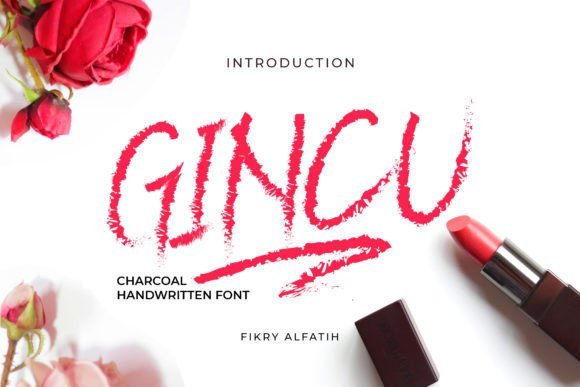
At its core, Gincu is a premium font that mimics the raw, textured look of charcoal or chalk strokes. This isn't a smooth, flowing calligraphy script. Its visual personality is defined by its gritty, organic texture and a slightly irregular baseline that gives it an authentic, handcrafted feel. The letterforms have a confident, energetic rhythm—they look like they were written with purpose and movement. This inherent style makes it a powerful display font, designed to make an impact in headlines, logos, and short bursts of text rather than in long paragraphs.
The mood it projects is multifaceted. There's an undeniable sense of power in its bold strokes, making it suitable for projects that need to convey strength or urgency. Simultaneously, the charcoal texture lends itself perfectly to horror themes, evoking scratchy notes on a chalkboard or warnings scrawled on a dusty wall. For more lighthearted applications, it channels a classic chalkboard aesthetic, perfect for educational materials, café menus, or playful branding. This duality is its greatest strength, allowing it to adapt to various creative contexts without losing its core identity.
Where Gincu Shines: Practical Applications for Your Projects
Understanding a font's personality is one thing; knowing where to apply it is another. Gincu excels in scenarios where you need to grab attention and inject a dose of human energy. Let’s break down some real-world uses.
- Branding and Logo Design: For brands that want to appear approachable, energetic, or a bit edgy, Gincu can be a fantastic choice for a wordmark or as part of a logo system. Think of a fitness brand, a indie music festival, a horror podcast, or a makeup artist with a bold style. It immediately sets a tone that a standard serif or sans serif font cannot.
- Marketing and Social Media: In the fast-scrolling world of social media, your graphics need to stop thumbs. Use Gincu for quote graphics, promotional posters, or event announcements. Its texture stands out against flat digital backgrounds, making it ideal for Instagram stories, Facebook ads, or Pinterest pins related to makeup tutorials, school announcements, or movie promotions.
- Publishing and Editorial Design: This font isn't for body text, but it’s brilliant for chapter titles, book covers (especially in the thriller, young adult, or non-fiction space), and magazine headlines. Its handwritten quality adds a personal, authorial touch that can make editorial content feel more immediate and engaging.
- Packaging and Physical Products: On packaging design, Gincu can communicate a product's handmade or artisanal quality. It works well on labels for craft goods, apparel tags (especially for streetwear or graphic tees), or any product where the brand story involves creativity, rebellion, or authenticity.
Designing with Gincu: Tips for Effective Use
Using a characterful font like Gincu effectively requires a bit of strategy. Its strength is in its impact, so using it sparingly and intentionally is key.
Font Pairing is Crucial. Because Gincu is so expressive, it pairs best with simple, neutral companions. A clean sans serif font for body text or supporting information creates a perfect balance. Imagine a bold Gincu headline for a horror movie poster, with the cast and credits listed in a straightforward, legible sans serif. This contrast ensures your main message pops while the details remain clear. Avoid pairing it with other highly decorative scripts or ornate serif fonts, which can create visual chaos.
Consider Readability and Hierarchy. Use Gincu for large, short text elements: headlines, subheadings, logos, and pull quotes. Its textured strokes can become difficult to read at small sizes or in long sentences. Establish a clear visual hierarchy by reserving this creative font for the most important pieces of information that need to convey mood and draw the eye.
Leverage the Bonus Swashes. The included bonus swashes are not just extras; they are tools for customization. These decorative flourishes can be added to the beginning or end of words to create unique, logo-ready lockups. Experiment with them in your design software to add a signature touch to a brand name or a title, making your work truly one-of-a-kind.
Evaluate the Project Fit. Ask yourself: does the personality of Gincu align with my project's goals? If you're designing a formal corporate report, it’s likely the wrong choice. But if you’re creating a poster for a school play, a social media campaign for a new makeup line, or branding for a rock band, its energetic, chalkboard vibe could be exactly what you need to connect with your audience.
As with any commercial font, always review the licensing terms to ensure they cover your intended use, whether for personal projects, client work, or merchandise. Gincu offers a unique blend of texture and energy that, when used thoughtfully, can elevate a design from ordinary to memorable, helping your project tell a more compelling visual story.