Funky Groovy: Unleashing 70s Vibes in Your Modern Designs
When you’re scrolling through a library of premium font options, it’s easy to get lost in a sea of safe, minimalist sans-serifs. But every once in a while, a typeface jumps off the screen that demands attention. That’s exactly the energy Funky Groovy brings to the table. It’s not just a set of letters; it’s a visual experience. This display font is built on the foundations of 1970s aesthetics—think disco balls, bell-bottoms, and psychedelic posters—but it translates that era into a format that feels surprisingly fresh for today’s modern typography needs. If you’re a designer, entrepreneur, or content creator looking to inject some serious personality into your work, understanding how to harness this typeface could be a game-changer for your next project.
Visual Anatomy: More Than Just Bubbly Curves
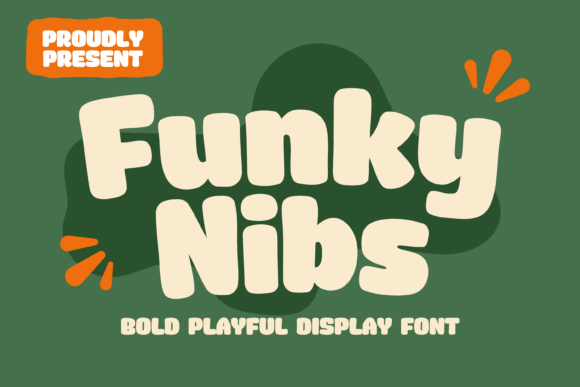
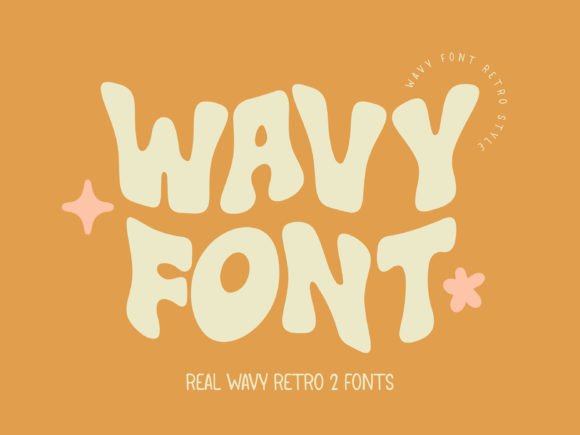
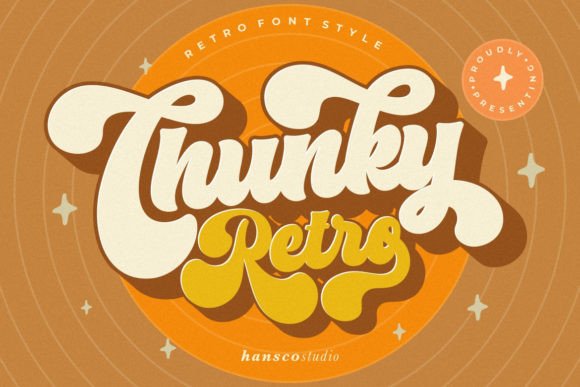
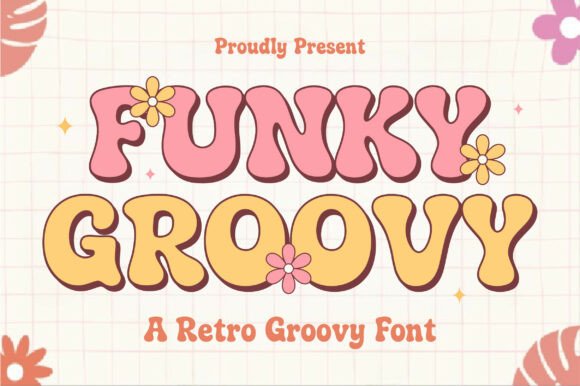
At first glance, you might categorize Funky Groovy as simply "retro," but its construction is actually quite sophisticated. The defining characteristic is its "chunky" weight. It has a substantial footprint that anchors designs, making it incredibly stable even with its playful curves. Unlike a standard sans serif font that prioritizes neutrality, this typeface features rounded terminals and soft, bubbly letterforms that evoke a sense of tactile friendliness.
The personality here is undeniably bold. It doesn't whisper; it shouts. However, it does so with a smile. The wide stance of the letters gives it a confident air, while the subtle quirks in the kerning and shape prevent it from looking rigid. It bridges the gap between a script font and a block font. While a handwritten font might feel too casual for a business card, and a standard serif font might feel too stiff for a party flyer, Funky Groovy occupies that perfect middle ground. It feels handmade and crafted, yet structured enough to remain legible in larger blocks of text.
Strategic Applications: Where to Use Funky Groovy
Knowing what a font looks like is one thing; knowing where to put it is the real skill. The versatility of Funky Groovy is its secret weapon, but it requires context to shine. Here is how different professionals can leverage this creative font effectively.
Branding and Logo Design
For entrepreneurs and brand strategists, logo design is about instant recognition. If your brand identity is built around fun, nostalgia, inclusivity, or creativity, this typeface is a strong candidate. Imagine a local bakery specializing in 70s-inspired treats, a boutique children’s clothing line, or a music festival. Using Funky Groovy in your logo immediately sets a tone of approachability and joy. It tells the customer, "We don’t take ourselves too seriously, but we do take our craft seriously." It helps build a brand identity that feels distinct from the corporate, sterile look that dominates many industries.
Packaging and Editorial Design
In packaging design, shelf appeal is everything. A product needs to pop in a split second. This font is perfect for headers on packaging—think candy bars, vinyl records, or vibrant snack foods. In editorial design, such as magazine covers or zines, Funky Groovy works wonders for pull quotes or feature article titles. It breaks the monotony of body text and draws the reader's eye exactly where you want it.
Digital Realms: Web and Social Media
The digital landscape is crowded. On platforms like Instagram or TikTok, you have milliseconds to stop the scroll. Social media graphics utilizing Funky Groovy tend to have higher engagement rates simply because they look different from the standard corporate templates. In web design, while you wouldn't use it for your navigation menu or long-form blog posts (due to readability constraints), it is an excellent choice for hero section headers. It sets a vibe immediately upon landing on the page, signaling that the user experience will be engaging and visually stimulating.
The Psychology of Groovy: Perception and Hierarchy
Typography is psychology in visual form. The fonts you choose influence how people feel about your message before they even read the words. Funky Groovy taps into the psychology of nostalgia. The 70s aesthetic is currently experiencing a massive resurgence in pop culture. By using this style, you are piggybacking on positive associations with that era—warmth, freedom, and expression.
From a visual hierarchy perspective, this font is a powerhouse. Because it is a display font, it naturally commands the highest level of attention. You can use it to create a clear distinction between your headline and your body copy. For example, pairing the bold, bubbly weight of Funky Groovy with a clean, geometric sans serif font like Helvetica or Futura creates a beautiful contrast. The display font catches the eye, and the sans-serif delivers the information cleanly. This balance ensures your designs are not only eye-catching but also functional.
Practical Implementation and Font Pairing
Adopting a new typeface into your toolkit requires some practical testing. Here is a checklist for evaluating Funky Groovy for your specific needs:
- Evaluate the Fit: Does the font match the "voice" of your project? If you are designing a flyer for a meditation retreat, this is likely the wrong choice. If it’s a birthday invitation, it’s perfect.
- Test the Pairings: As mentioned, contrast is key. Avoid pairing Funky Groovy with other decorative fonts like a heavy script font. It will look chaotic. Stick to neutral companions.
- Check the Styles: Does the premium font come with alternates or ligatures? High-quality display fonts often include stylistic sets that allow you to customize the look of specific letters, adding even more flair to your logo design.
- Licensing: Ensure you have the correct commercial font license. If you are a freelancer creating assets for a client, or a small business owner using it on merchandise, verify that the license covers the intended usage (print, digital, or merchandise).
Final Thoughts on Creative Assets
In the world of design assets, versatility is valuable, but personality is priceless. Funky Groovy offers a distinct voice that can elevate a mundane project into something memorable. Whether you are working on packaging design, crafting social media graphics, or building a brand identity from the ground up, this typeface provides the tools to communicate with energy and style. It reminds us that design doesn't always have to be rigid and serious—sometimes, the best way to connect with an audience is to invite them to the dance floor.