Retro Magnolia: A Vintage Script with Modern Sophistication
Finding a typeface that feels both familiar and fresh is a common challenge. You want something with personality, but not so much that it overwhelms your message. This is where Retro Magnolia enters the conversation. It’s a premium script font that channels the grace of mid-century typography while maintaining a clean, usable presence for today’s design landscape. Think of it as the typographic equivalent of a perfectly tailored vintage suit—classic, confident, and unmistakably stylish.
The Visual Character: More Than Just a Pretty Face
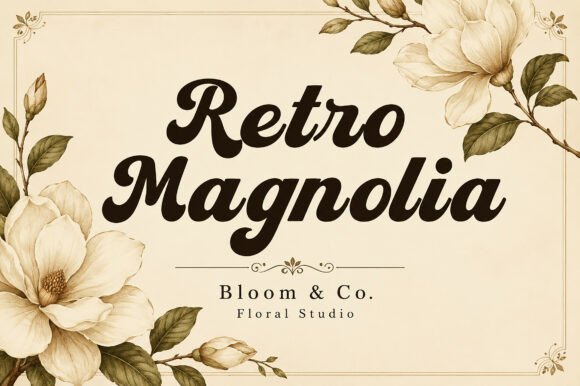
At first glance, Retro Magnolia is defined by its graceful vintage charm. The letterforms feature smooth curves and bold strokes that create a wonderful contrast. It’s not a delicate, whisper-thin script; it has weight and presence, which gives it that bold retro vibe. The connections between letters are thoughtfully designed, creating a natural, flowing rhythm that feels handcrafted rather than mechanically generated. This charismatic vintage-inspired font avoids looking dated by balancing its nostalgic roots with a clean, uncluttered aesthetic.
As a display font, its primary strength is in headlines, logos, and short, impactful text. The intricate flow of its letterforms makes it a fantastic choice for projects where you want to convey elegance and personality immediately. However, its clarity is a key feature. The characters are distinct, avoiding the overly swashed or connected look that can make some script fonts illegible. This makes Retro Magnolia a more versatile script font than many of its peers.
Practical Applications: Where This Font Truly Shines
The real test of any creative font is how it performs in the wild. Retro Magnolia is particularly effective in scenarios where you need to blend sophistication with approachability.
- Brand Identity & Logo Design: This is a sweet spot. For boutique brands, cafes, fashion labels, or artisan products, Retro Magnolia can form the core of a logo design that feels established and trustworthy. It pairs exceptionally well with a clean sans serif font for body text, creating a beautiful hierarchy.
- Editorial and Publishing: Think of magazine mastheads, chapter titles, or pull quotes in a publishing layout. It adds a layer of stylish refinement without sacrificing the professionalism needed for editorial design.
- Packaging and Labels: The font’s bold retro vibe is perfect for packaging design. It can make a product look premium and thoughtfully curated. Imagine it on a coffee bag, a candle label, or artisanal soap packaging—it instantly communicates quality.
- Digital Presence: While not a web font for long paragraphs, it’s excellent for social media graphics, website hero sections, and promotional banners. It grabs attention and sets a specific tone quickly. Use it for a compelling headline on a landing page to create an immediate emotional connection.
- Personal and Event Stationery: This is where its elegance truly comes to life. Retro Magnolia is ideal for logos, personal branding, bespoke wedding invitations, snazzy packaging, slick labels, dynamic posters, heartfelt greeting cards. It brings a touch of classic appeal to any personal project.
Design Strategy: Using Retro Magnolia Effectively
Introducing a premium font like this into your toolkit requires a bit of strategy. Here’s how to get the most out of it.
Evaluate the Project Fit. Retro Magnolia is a font with a strong personality. It’s best suited for projects that aim for a vintage, classic, retro, elegant, or sophisticated feel. It might not be the right choice for a corporate financial report or a children’s educational website. Always consider the brand identity or message you’re trying to build.
Master the Font Pairing. The key to using a display font like this is contrast. Pair it with a neutral, highly readable typeface. A simple serif font like Georgia or a modern sans serif font like Helvetica Neue or Inter works beautifully for body copy. Let Retro Magnolia own the headlines and short text blocks where its details can be appreciated.
Test for Readability. Always test the font in the context it will be used. Check it at the actual size for a web design mockup or a printed packaging design proof. While it’s clear for a script, very small sizes (like 10pt in a dense paragraph) can still lose legibility. Its strength is in larger, prominent text.
Review the Glyphs. A good commercial font comes with more than just basic letters. Explore the full character set. Does it include alternate characters, ligatures, or multilingual support? These extras can add even more customization and uniqueness to your design assets.
Understand the License. Since you’re likely considering this for commercial projects—like client work, logo design, or products for sale—ensure the licensing covers your intended use. A reputable premium font will have clear terms for both personal and commercial applications.
A Final Thought on Style and Substance
Retro Magnolia is more than just a typeface; it’s a design tool for storytelling. It helps bridge the gap between nostalgia and modernity, offering a way to infuse projects with a sense of history and craftsmanship. In a world saturated with generic modern typography, having a font with this much character in your collection is a significant advantage. It allows you to create design that doesn’t just communicate but also connects—elevating the ordinary into something memorable.