Sugar Pop Font: The Sweet Spot for Playful Design
There's a particular kind of project that demands more than just legible text. It needs personality. It needs a spark of joy. When you're designing a birthday invitation, a logo for a children's brand, or packaging for artisanal sweets, a standard sans serif font often falls flat. This is where a display font like Sugar Pop enters the conversation. It’s not a workhorse for body copy; it’s a specialist, a character actor that brings a specific, delicious energy to the stage.
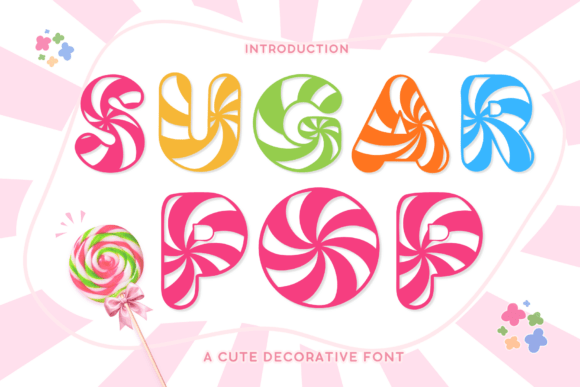
Visually, Sugar Pop is pure confection. Its letterforms are soft, rounded, and generous, inspired by the swirls of frosting, the curves of candy canes, and the cheerful plumpness of jelly beans. There’s a handcrafted quality to it, reminiscent of a script font or handwritten font, but with more stability and presence. The terminals are often bulbous, and the counters (the enclosed spaces within letters like 'o' and 'p') are wide and inviting, giving each character a friendly, approachable demeanor. This creative font doesn't whisper; it smiles.
Where Sugar Pop Truly Shines: From Packaging to Parties
Understanding a font's ideal application is key to using it effectively. Sugar Pop excels in contexts where warmth, nostalgia, and fun are the primary goals. Think about packaging design for bakeries, ice cream parlors, or gourmet candy shops. The font immediately communicates sweetness and care, setting customer expectations before they even taste the product. It’s a powerful tool for brand identity in the food and lifestyle space, particularly for brands targeting families or those with a whimsical aesthetic.
Beyond commercial use, this premium font is a favorite for personal projects. Holiday crafts, scrapbooking, and DIY party decorations gain an instant professional polish. A birthday banner or a set of place cards using Sugar Pop feels cohesive and thoughtfully designed. For entrepreneurs and small business owners, it’s a valuable design asset for creating eye-catching social media graphics. A sale announcement, a new product launch, or a holiday greeting posted on Instagram or Pinterest will stand out in a feed crowded with minimalist serif fonts and stark sans serif fonts.
Smart Design Choices: Pairing, Readability, and Professionalism
Using a bold display font like Sugar Pop effectively requires a bit of strategy. Its greatest strength—its exuberant personality—can become a weakness if overused. The golden rule is restraint. Reserve it for headlines, logos, short bursts of call-to-action text, or single words that need to pop. For longer sentences or paragraphs, you need a complementary partner. A clean, neutral sans serif font like Montserrat or Lato provides a perfect, modern counterbalance, letting Sugar Pop be the star without causing visual fatigue.
This practice, known as font pairing, is fundamental to creating readable and visually hierarchical designs. Sugar Pop establishes the mood and draws the eye, while your secondary font ensures the message is communicated clearly. This balance is crucial for maintaining professionalism. A brand can be playful without being chaotic. The font’s consistent style across all your materials—from a website header to a business card—builds recognition and reinforces your brand identity as being both fun and reliable.
Practical Tips for Working with Sugar Pop
Before you commit, take it for a test drive. Type out the specific words you’ll be using. Some fonts have letter combinations that might not work for your particular project. Check the included styles; many premium fonts offer multiple weights or stylistic alternates that can add versatility. For web design, ensure the font file is optimized for fast loading. And if your project is commercial, always verify the licensing terms to ensure you’re covered for your intended use.
Ultimately, Sugar Pop is more than just a typeface; it’s a mood setter. It’s a tool for designers, marketers, and creators who need to inject a dose of cheer into their work. By understanding its strengths and pairing it wisely, you can leverage this creative font to make your projects not only seen but felt. It’s about choosing a visual language that speaks directly to your audience’s sense of joy and nostalgia, making your logo design or editorial design instantly more engaging and memorable.